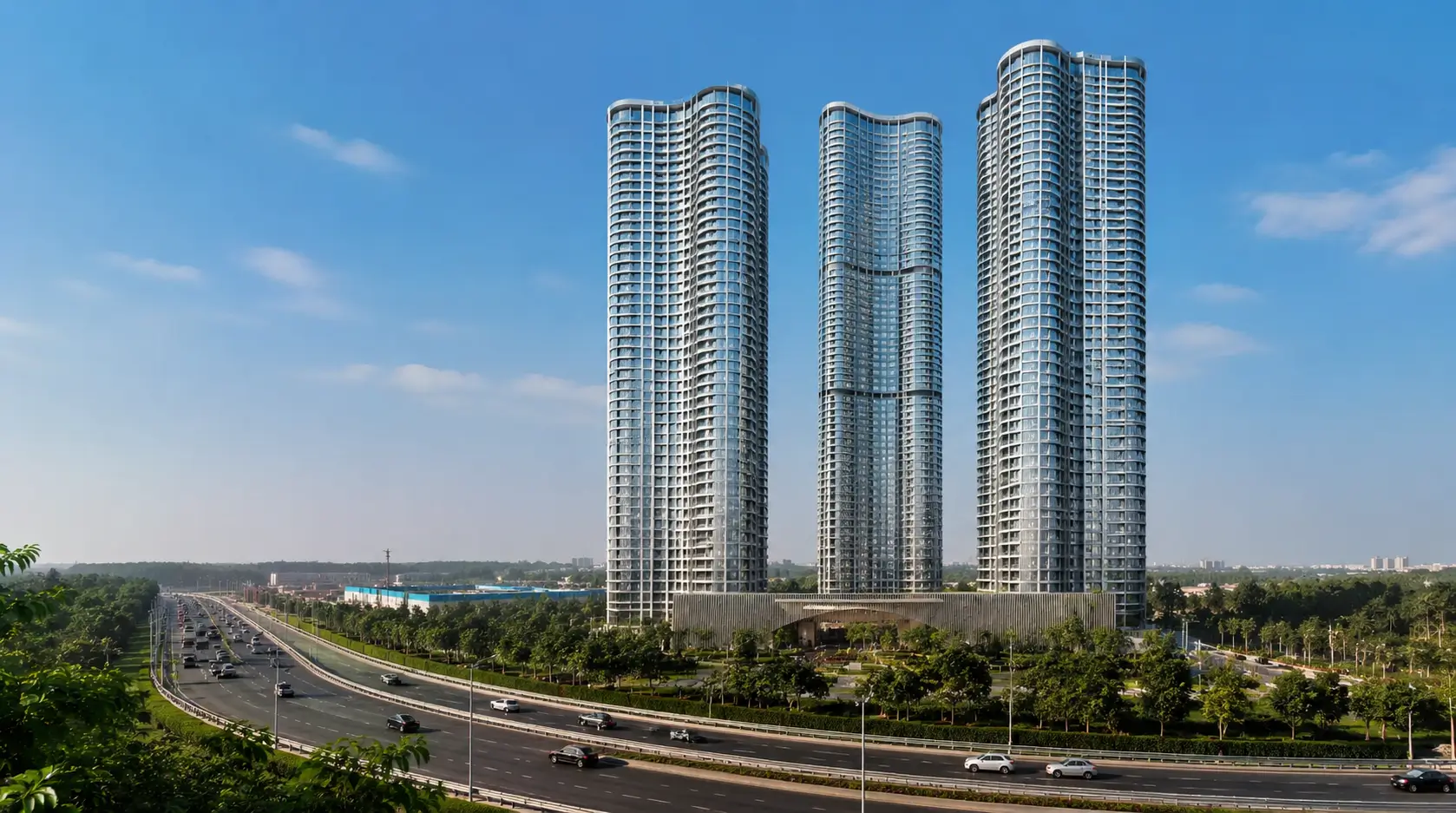
The structural shifting of urban real estate paradigms clearly illustrates how modern property investors prioritize layout excellence. Across major infrastructure corridors in developing metropolitan zones, navigating the critical balance between physical connectivity, layout intelligence, and construction transparency remains absolutely non-negotiable. #link# provides an excellent example of how master-planned structural communities outperform standalone residential formats. To gain an accurate understanding of these architectural environments, it is necessary to study physical transit extension maps, aerospace industrial park expansions, and developer delivery records.
The Macro Economic Forces Reshaping Regional Real Estate
The systematic layout of high-capacity rapid transit rail corridors, future-proofs regional residential holdings against broader macro-economic corrections. Analytical housing forecasts indicate that the extension of public rapid transport networks lowers vacancy rates while boosting rental yield opportunities for long-term real estate owners. When an integrated township is built immediately adjacent to expanding aerospace special economic zones, the asset gains exceptional liquidity and easily captures a dominant share of the elite tenant pool. Additionally, the consistent generation of high-paying tech jobs, aerospace engineering roles, and startup enterprise positions fuels an active purchasing cycle for premium 3 BHK, 3.5 BHK, and 4 BHK luxury residences. To truly map these appreciation models, staying updated on real estate pricing matrices remains essential.
Premium Interior Material Specifications and Low-Density Spatial Philosophy
The long-term maintenance overhead of contemporary residential towers is directly determined by the underlying building technology utilized during check here the core construction phase. Utilizing monolithic concrete pouring techniques instead of traditional clay block wall assemblies guarantees that the building structure safely outlasts conventional real estate constructions by several decades. When an elite real estate development prioritizes high-end architectural choices, the interior spaces frequently feature large slabs of fine imported Italian marble flooring, bespoke premium bathroom fittings, and expansive cross-ventilated balconies. In line with modern wellness trends, luxury township designs now focus intensely on preserving massive natural ecosystems. Providing massive multi-level lifestyle clubhouses surrounded by deep-rooted native tree canopies and water features the project successfully insulates its inhabitants from urban chaos, air pollution, and noise disturbances. Reviewing these exact spatial configurations allows buyers to verify actual carpet area efficiency numbers.
Financial Strategy, Rental Yield Matrix, and Regulatory Compliance Frameworks
When assessing historical asset performance across competitive financial markets, residential holdings backed by strong corporate execution credentials outperform alternative commercial assets. Entering a tier-1 development phase before the public distribution of marketing brochures optimizes the overall return on investment by reducing immediate cash-flow outlays during early engineering stages. Driven by the continuous arrival of high-earning corporate leadership professionals, local rental markets translates into rapid asset amortization, allowing real estate portfolios to expand into self-sustaining investment channels. To completely eliminate construction and execution risks, the selection checklist must prioritize statutory verification. Validating the builder's historical track record regarding timely project delivery, structural execution precision, and legal transparency ensures that the property asset remains entirely free from future litigation risks or ownership contestations.
Analyzing the Tangible Value of Integrated Social Infrastructure and Hospitality
The modern luxury home consumer no longer views a residence as just a collection of private square footage. Incorporating fully automated household environmental controls and digital security networks, elevates daily residential functionality while systematically lowering the aggregate carbon footprint of the home. This physical design transition is heavily backed by the development of massive multi-level lifestyle clubhouses. Featuring fully equipped professional health clubs, Olympic-sized swimming pools, and dedicated indoor sports courts, the community design provides a vibrant, healthy, and highly secure environment for families to thrive over generations. In addition to this, implementing zero-waste rainwater harvesting models and sustainable solar energy networks adds an immense premium to the property's market positioning, driving permanent tenant demand.
Final Synthesis on High-Yield Residential Property Selection Matrices
Ultimately, the selection of an elite real estate asset must extend far past superficial visual marketing: local infrastructure completion schedules, developer execution prestige, and core construction engineering benchmarks. Homebuyers who carefully prioritize trusted Tier-1 brands offering advanced Mivan casting technology and hospitality-led services will successfully future-proof their capital holdings against urban congestion and economic adjustments. As high-growth metropolitan corridors continue to transition into fully self-sustaining smart-city nodes, these ultra-premium residential enclaves will stand out as the definitive standard for luxury urban living.